How to Fix Your Dog’s Digestive Issues (Without Guesswork or Guilt)

If your dog constantly struggles with loose stools, bloating, or refuses to eat, you’re not alone.
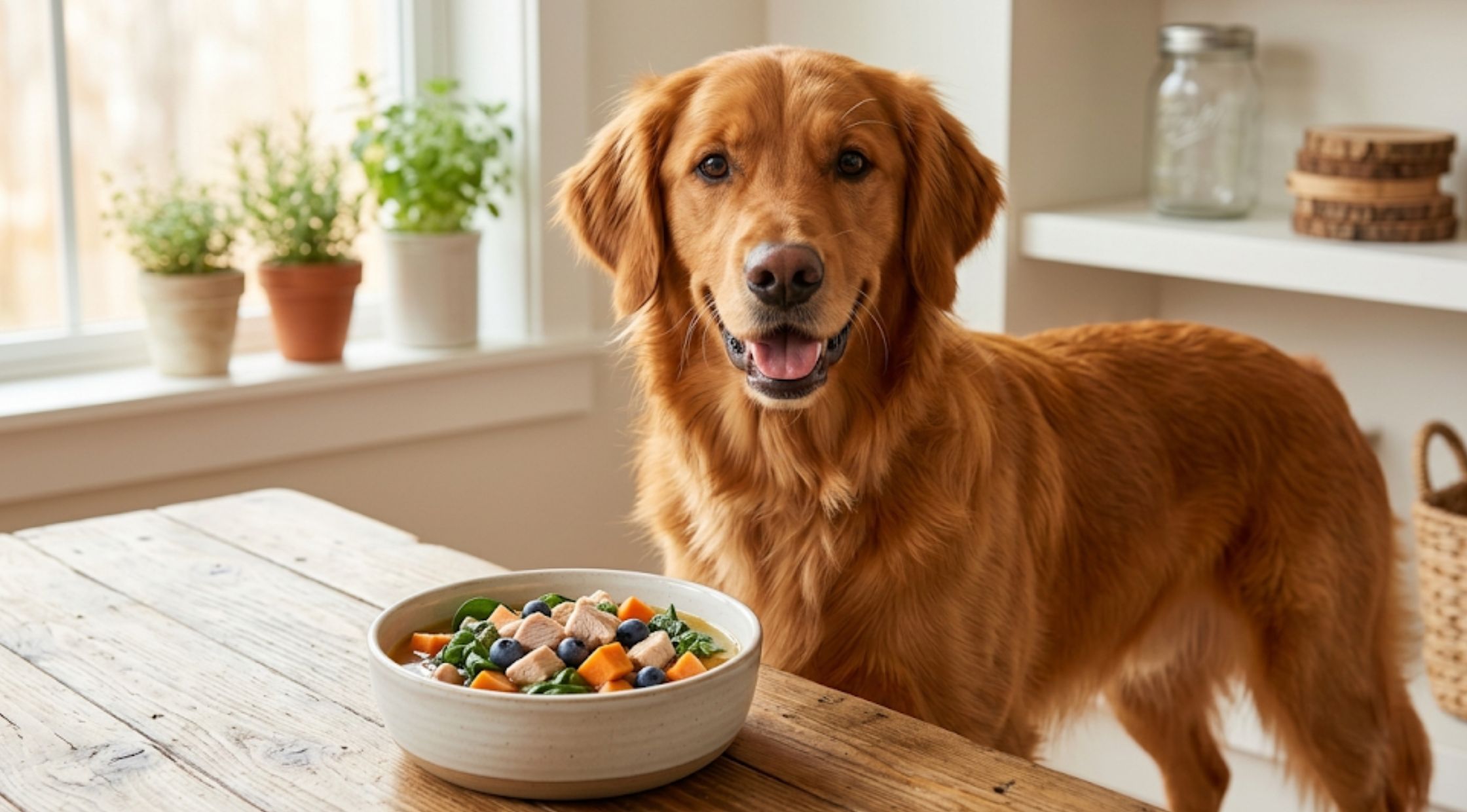
If your dog constantly struggles with loose stools, bloating, or refuses to eat, you’re not alone. Many pet owners go down a frustrating rabbit hole of trial-and-error feeding, switching brands, Googling ingredients, and wondering things like “is chicken meal healthy for dogs?”
The truth? Digestive issues in dogs are more common than you think and often tied directly to what’s in their bowl.
Common Problems Dog Owners Face
Digestive issues don’t always show up the same way. You might be dealing with:
- Frequent diarrhea or inconsistent stools
- Excessive gas or bloating
- Food sensitivities or allergies
- Low appetite or picky eating
- Dull coat or low energy levels
Many owners try switching between kibble brands or experimenting with raw dog food meals, hoping something will finally work. But without understanding the root cause, it can feel like guesswork.
What’s Really Causing These Issues?
Let’s simplify things.
Most commercial dog foods are highly processed and contain fillers, artificial additives, and low-quality protein sources. That’s where confusion around ingredients like chicken meal comes in.
So, is chicken meal healthy for dogs?
Chicken meal itself isn’t inherently bad; it’s a concentrated protein source. But the quality varies significantly depending on sourcing and processing. Lower-grade versions may include by-products that are harder to digest, especially for sensitive dogs.
Other common causes include:
- Food intolerances (grains, certain proteins, additives)
- Poor ingredient quality
- Lack of dietary balance
- Sudden diet changes
Even when switching to raw dog food meals, some dogs still struggle if meals aren’t properly balanced or tailored.
Practical Ways to Improve Your Dog’s Digestion
Before jumping to drastic changes, here are a few proven steps that can make a real difference:
1. Simplify Ingredients
Choose foods with fewer recognizable ingredients. Limited-ingredient diets help identify triggers and reduce digestive strain.
2. Transition Slowly
Switching foods too quickly can worsen symptoms. Gradually mix new food over 7–10 days to help your dog adjust.
3. Observe Protein Sources
If you’re unsure whether chicken works for your dog, try alternative proteins like lamb or fish. This helps answer questions like “Is chicken meal healthy for dogs?” In your specific case, it depends on your dog’s tolerance.
4. Consider Fresh or Raw Options
Many owners see improvements when switching to raw dog food meals or fresh diets. These options are often easier to digest and closer to a dog’s natural diet, but balance is key.
5. Customize the Diet
Every dog is different. Age, breed, activity level, and sensitivities all matter. This is where many DIY approaches fall short.
A Smarter, Easier Solution
If you’ve tried multiple approaches and still feel stuck, you’re not alone, and you don’t have to figure it all out yourself.
That’s where services like Happy Howl come in. Instead of guessing, they offer affordable, customized dog meal plans for digestive issues, designed specifically around your dog’s needs.
Rather than asking generic questions like “is chicken meal healthy for dogs?”, you get a clear, personalized answer based on your dog’s profile.
They also help simplify the transition to balanced raw dog food meals or fresh alternatives without the risk of nutritional gaps.
Why Upgrading Your Dog’s Diet Changes Everything?
When you move from guesswork to a tailored approach, the difference is noticeable:
- Improved digestion – fewer stomach upsets and consistent stools
- Higher energy levels – better nutrient absorption
- Healthier coat and skin
- Reduced vet visits related to diet issues
- Peace of mind knowing your dog’s meals are actually working
Many dog owners who switch to affordable customized dog meal plans for digestive issues through providers like Happy Howl say the biggest benefit isn’t just health, it’s relief. No more constant trial and error.
And if you’ve been debating whether to try raw dog food meals, having expert guidance makes the transition much safer and more effective.
Final Thoughts: Make Feeding Simple Again
Digestive issues can make feeding your dog feel stressful, but it doesn’t have to stay that way.
Start by understanding your dog’s needs, simplifying ingredients, and making gradual improvements. And if you’re tired of second-guessing every meal, exploring a personalized approach like Happy Howl can save you time, effort, and frustration.
Because at the end of the day, your dog deserves more than just “food that works,” they deserve food that helps them thrive.
Recent Blogs
-

Next-Generation Gadgets and Technology Trends Driving Digital Transformation
-

Cutting-Edge Gadgets and Technology Trends Reshaping the Digital World
-

Innovative Gadgets and Smart Technology Transforming Modern Digital Lifestyles
-

Smart Gadgets and Technology Trends Revolutionizing Everyday Digital Experiences
-

Emerging Technology Trends Shaping the Future of Gadgets and Digital Innovation