How to Choose the Right Health Optimizer App (Without Wasting Time or Money)

You download a new app, feel motivated for a few days, and then it fades.
You download a new app, feel motivated for a few days, and then it fades.
Sound familiar?
With hundreds of options claiming to improve your fitness, sleep, and nutrition, finding a reliable health optimizer app can feel confusing and, honestly, a bit frustrating. You want something that actually works, not just another tracker you forget about.
And then there’s the question everyone asks before committing: Is it even worth the price? That’s where things like Hume health app cost start to matter.
Let’s break it all down so you can make a smarter choice.
Common Problems People Face with Health Apps
Most users don’t struggle with motivation; they struggle with systems that don’t fit their lives.
Here are some real issues people run into:
- Too much data, not enough clarity
- Generic recommendations that don’t feel personalized
- Multiple apps for different goals (fitness, sleep, nutrition)
- Lack of consistency due to complicated interfaces
- Uncertainty about pricing and value, especially when evaluating something like the Humana health app cost
In short, people want simplicity and results but often get complexity instead.
Why Most Health Apps Fall Short
The problem isn’t you, it’s how many apps are designed.
Most platforms focus on tracking, not improving.
They count your steps, log your calories, and measure your sleep, but they don’t always tell you what to do next. That’s a big gap.
A true health optimizer app should go beyond numbers. It should help you understand patterns, make better decisions, and build habits that actually stick.
Without that, even the most feature-packed app becomes just another unused icon on your phone.
Practical Solutions: How to Choose an App That Actually Works
1. Look for Actionable Insights, Not Just Data
Tracking is helpful, but guidance is what creates change.
Choose an app that:
- Explains what your data means
- Suggests clear next steps
- Helps you improve daily habits
2. Prioritize Personalization
Your body, lifestyle, and goals are unique.
The best apps adapt to:
- Your activity level
- Your sleep patterns
- Your health goals
A generic plan rarely works long-term.
3. Keep It Simple and Sustainable
If an app feels overwhelming, you won’t stick with it.
A good health optimizer app should:
- Be easy to navigate
- Require minimal manual input
- Fit naturally into your routine
4. Understand the Value Behind the Cost
It’s easy to hesitate when you see a subscription fee.
But instead of focusing only on price, ask:
- Does it replace multiple apps?
- Does it save time and effort?
- Does it provide real, usable insights?
When evaluating something like hume health app cost, it’s important to weigh the value, not just the number.
5. Look for Long-Term Habit Support
Quick fixes don’t last.
Choose tools that encourage:
- Consistency
- Gradual improvement
- Sustainable routines
A Smarter Option: When One App Does It All
If you’re tired of juggling multiple tools, it might be time to consider a more integrated solution.
This is where platforms like Hume Health come into the picture.
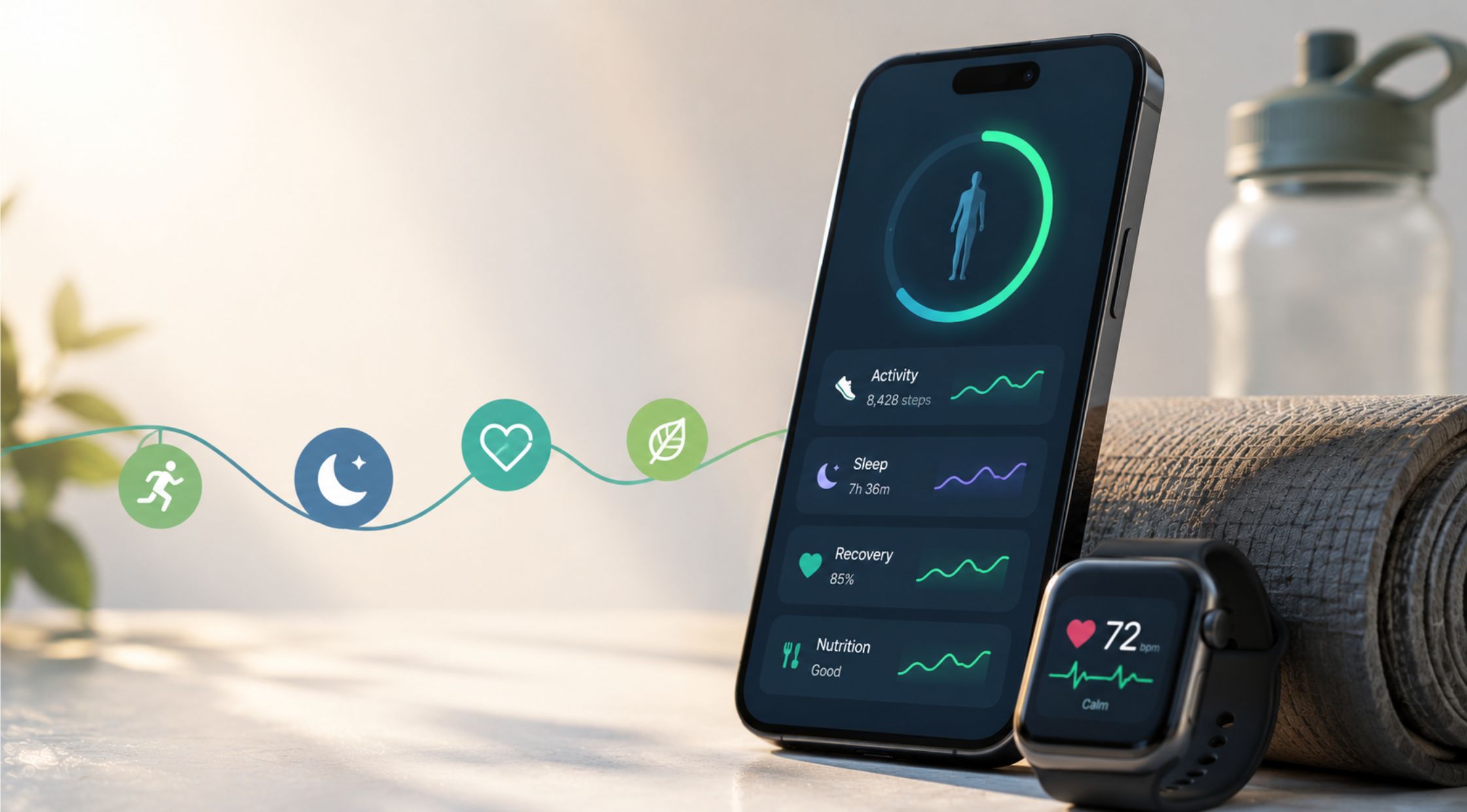
Instead of just tracking metrics, Hume Health focuses on helping users understand and optimize their overall well-being. It combines insights from different areas like activity, recovery, and daily habits into one streamlined experience.
For people who feel overwhelmed by scattered apps, this kind of all-in-one approach can feel refreshingly simple.
And when you start comparing tools, the conversation around the Hume health app cost becomes less about expense and more about efficiency.
Benefits of Upgrading to a More Advanced Health App
1. Clarity Instead of Confusion
You’re no longer guessing what your data means. Everything is simplified into actionable insights.
2. Better Daily Decisions
From sleep to activity, small improvements add up quickly when guided properly.
A well-designed health optimizer app helps you make smarter choices without overthinking.
3. Time-Saving Simplicity
Instead of switching between multiple apps, everything is in one place.
This alone can significantly improve consistency.
4. More Motivation Through Progress
Seeing meaningful progress, not just numbers, keeps you engaged.
5. Real Value for Your Investment
When evaluating hume health app cost, many users find that replacing multiple subscriptions with one comprehensive platform actually saves money in the long run.
Plus, the added convenience and insights often make it worth it.
Why Hume Health Stands Out (Without the Hype)
What makes Hume Health different isn’t just features, it’s focus.
It’s designed for people who want:
- Simplicity without sacrificing depth
- Guidance without overwhelm
- Results without complicated systems
Rather than pushing you to track everything obsessively, it helps you focus on what actually matters.
And that’s what makes it easier to stick with it over time.
Conclusion: Choose Smarter, Not Just Cheaper
Your health deserves more than guesswork.
If you’ve been stuck cycling through apps that don’t deliver, it might be time to rethink your approach. Focus on tools that simplify your life, provide real insights, and support long-term habits.
A reliable health optimizer app isn’t just about tracking, it’s about transformation.
And when you evaluate options like Hume Health, look beyond the price tag. Consider the value, the time saved, and the clarity gained.
Because the right tool doesn’t just measure your progress, it helps you create it.
Recent Blogs
-

Next-Generation Gadgets and Technology Trends Driving Digital Transformation
-

Cutting-Edge Gadgets and Technology Trends Reshaping the Digital World
-

Innovative Gadgets and Smart Technology Transforming Modern Digital Lifestyles
-

Smart Gadgets and Technology Trends Revolutionizing Everyday Digital Experiences
-

Emerging Technology Trends Shaping the Future of Gadgets and Digital Innovation